

Our Architects
Fry/Straka Global Golf Course Design is a partnership with worldwide reach in award-winning golf course design. Having worked together for more than two decades, architects Dana Fry and Jason Straka bring their collective design experience, talent, indomitable spirit, and renowned client dedication to their shared enterprise, with global scope and limitless possibilities.
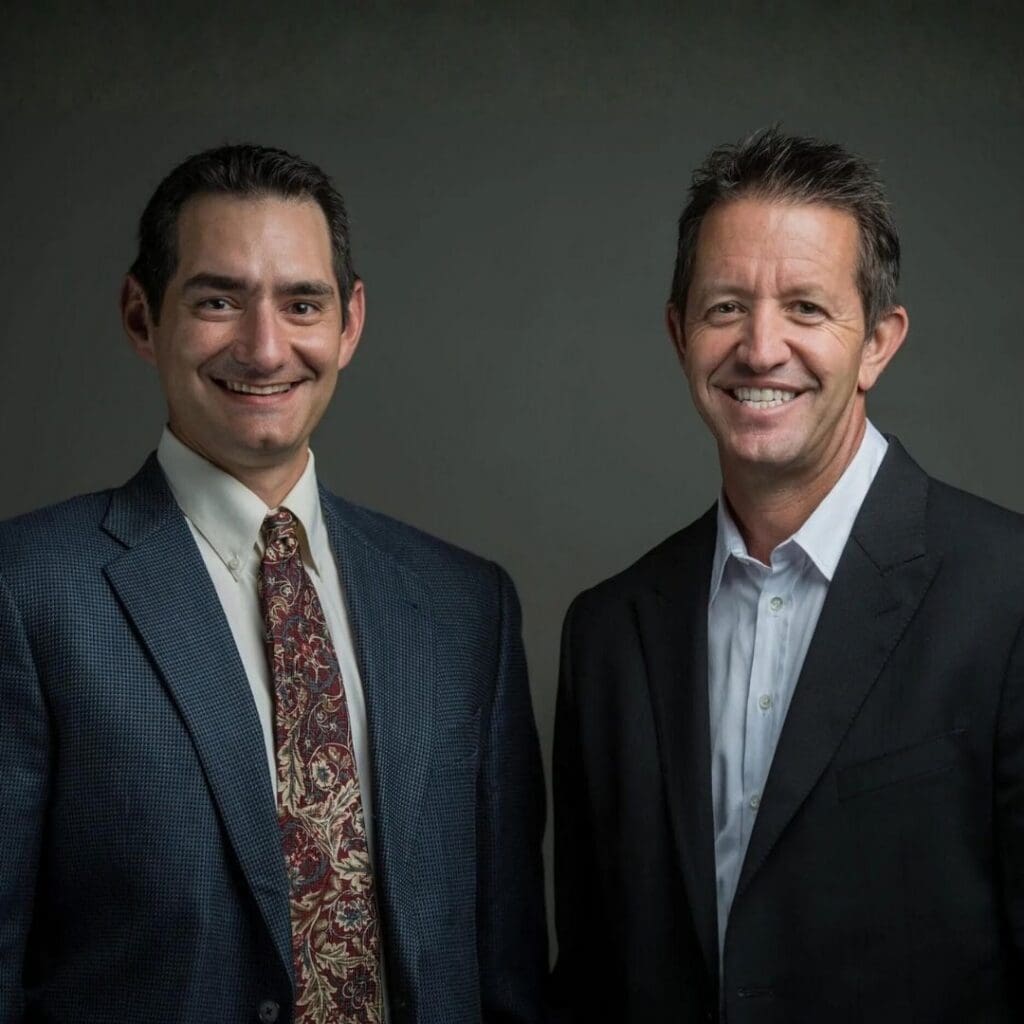
Get to know the designers behind Curracloe Links and discover the vision bringing this exciting new course to life. Throughout its development, we’ve been documenting the course’s progress and speaking with Dana Fry and Jason Straka in a series of exclusive interviews. Hear directly from the architects as they share their inspiration, the thinking behind their design decisions and their ambitions for Curracloe Links, offering a fascinating insight into the process of creating a championship golf course.
“There are fewer and fewer parcels of land like this available in the world and we are thrilled to be given the privilege to reveal the golf course that lays there.”
DANA FRY | CURRACLOE LINKS ARCHITECT
The Story Behind Our Logo
A Logo Rooted in Strength, Protection & Resilience
Curracloe Links rises from a land with a long and storied history, most significantly the Irish Rebellion of 1798. During the Wexford Rising, local townspeople took up the pike as their weapon of choice to defend their land against the British Crown, and it became a powerful symbol of resistance, courage and strength.

The Pikeman represents those people. It does not represent a military victory, but the bravery, resilience and sacrifice of those who rose in 1798. It is this strength of character, and their deep connection to the land, that continues to resonate with the place on which Curracloe Links stands today.
That is why we are proud to have the Pikeman represent Curracloe Links.
The course itself draws from this heritage and its surroundings, creating a modern links experience firmly rooted in the landscape and the character of County Wexford.
The Pike & the Thatch
During the 1798 Rising, local rebels hid weapons in the thatched roofs of rural Wexford homes. In Curracloe, a 1798-era bayonet, a blade designed to attach to a musket, was discovered hidden in the thatch of a cottage when it was re-thatched in the 1940s. Its discovery offers a rare, tangible connection to the people of Curracloe and the events that shaped this place.